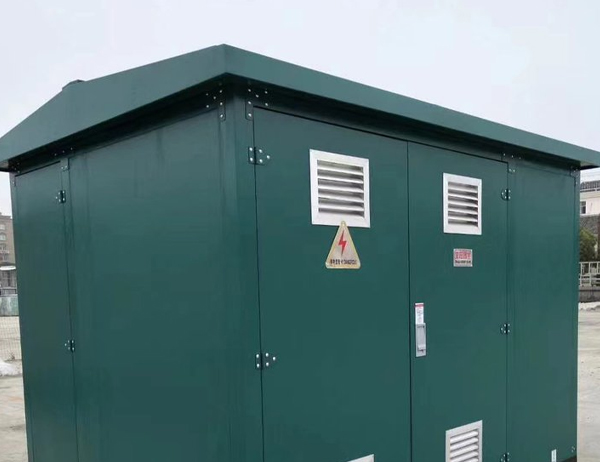
In modern power transmission and distribution systems, the transformer tank body serves as the core carrier ensuring the reliable operation of transformers. It is not only a container housing key components such as windings, iron cores, and insulating oil but also a solid barrier against external environmental interference, maintaining a stable internal operating environment for the equipment. The performance of the tank body directly impacts the safety and stability of the entire power system.
Transformer tank bodies are typically fabricated from high - strength steel plates through welding processes. In certain specialized applications, stainless steel or aluminum alloy materials are selected to enhance corrosion resistance and mechanical strength. The design of the tank body must balance sealing and heat dissipation capabilities: on one hand, precise welding techniques and sealing strips are employed to create a hermetically sealed space, preventing the intrusion of moisture, dust, and other impurities, thus safeguarding the insulating oil from deterioration due to moisture and ensuring the transformer's insulation performance. On the other hand, heat dissipation pipes, fins, or cooling fans are installed on the surface of the tank body. When the transformer generates heat during operation, the insulating oil circulates as it heats up, and the heat is rapidly dissipated to the outside through these structures, ensuring that the equipment operates within a safe temperature range. Additionally, monitoring and protection devices such as oil level gauges, pressure relief valves, and gas relays are integrated into the tank body, enabling real - time monitoring of pressure, oil level, and gas composition inside the tank. In case of any abnormalities, the protection mechanism is triggered promptly to prevent the escalation of faults.
The functions of the transformer tank body can be summarized into three core dimensions. First, it provides physical protection. During transportation, installation, and operation, the tank body can withstand mechanical impacts, vibrations, and external forces, safeguarding the internal precision components from damage. Second, it ensures insulation performance. The sealed environment effectively isolates external moisture and pollutants, maintaining the stability of the insulating oil and insulating materials and reducing the probability of electrical failures. Third, it collaborates with the heat dissipation system. Through rational structural design and layout of heat dissipation components, it accelerates heat transfer, improves the overall operating efficiency of the transformer, and extends the equipment's service life. Take the large - scale transformers used in ultra - high - voltage power transmission projects as an example. Their tank bodies must withstand extremely high internal oil pressure and external environmental pressure while maintaining excellent sealing and heat dissipation capabilities in extreme weather conditions. Any performance defects may lead to power transmission interruptions or even serious safety accidents.
As the power industry evolves towards intelligence and environmental sustainability, technological innovations in transformer tank bodies are accelerating. In terms of material innovation, the application of new composite materials is gradually enhancing the overall performance of the tank body. For instance, carbon fiber - reinforced composites can reduce the weight of the tank body while improving its strength and corrosion resistance. In terms of intelligent upgrades, sensors and Internet of Things modules are embedded inside the tank body to enable real - time monitoring and remote transmission of parameters such as temperature, humidity, and vibration. Combined with big data analysis and artificial intelligence algorithms, potential fault risks can be predicted in advance, enabling condition - based maintenance of the equipment. In the field of environmental protection, manufacturing processes are being improved to reduce energy consumption and emissions. For example, laser welding technology is replacing traditional arc welding, reducing smoke, dust, and harmful gas emissions during the welding process while improving welding precision and efficiency.
Although the transformer tank body does not attract as much attention as the electromagnetic conversion function of transformers, it is an indispensable guarantee for the stable operation of electrical equipment. From basic physical protection to intelligent monitoring and early warning, from traditional manufacturing processes to green and environmentally friendly technologies, it has always quietly supported the power system. In the future, with continuous technological breakthroughs, the transformer tank body will assume a more advanced form, providing solid support for the construction of an efficient, reliable, and intelligent modern power system.


 Laiwu High-tech Development Zone, Jinan, Shandong Province, China