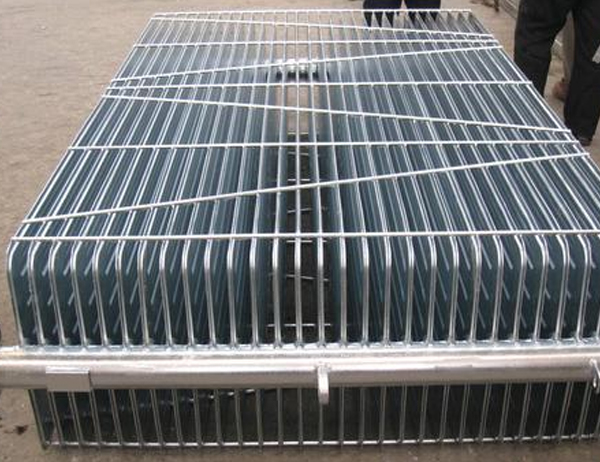
In modern power systems, transformers, as key equipment for electric energy transmission and distribution, their stable operation is of utmost importance. Transformer fin radiators, as the core components of the transformer cooling system, have become an indispensable part in ensuring the stable and efficient operation of power systems, thanks to their unique structure and high - efficiency heat dissipation performance.
Transformer fin radiators are mainly composed of components such as heat dissipation fins, header boxes, and oil pipes. The heat dissipation fins usually adopt a corrugated or finned design, and this structure greatly increases the heat dissipation area, effectively enhancing the heat dissipation efficiency. When the transformer generates heat during operation, the hot oil flows from the transformer body into the radiator header box and then is distributed to each heat dissipation fin through the oil pipes. On the surface of the heat dissipation fins, heat is dissipated into the air through convection and radiation, and the cooled oil flows back to the transformer body, forming a complete heat dissipation cycle.
Compared with traditional radiators, fin radiators have significant advantages. Firstly, their compact structural design saves space, making installation and maintenance more convenient; secondly, they have higher heat dissipation efficiency, which can quickly dissipate the heat generated by the transformer, effectively controlling the operating temperature of the transformer and extending its service life; in addition, the materials of fin radiators usually use corrosion - resistant steel or aluminum, which have good resistance to environmental erosion and are suitable for various complex climatic and geographical conditions.
In practical applications, transformer fin radiators are widely used in power stations, substations, industrial plants, and other places. Whether in large - scale power hubs or small - scale distributed power stations, fin radiators play an important role. Take wind farms as an example, a large number of transformers need to operate outdoors in harsh environments for a long time. With their high - efficiency heat dissipation performance and reliable stability, fin radiators ensure that the transformers can still operate normally under extreme temperature conditions, providing strong support for the stable transmission of clean energy.
With the rapid development of the power industry and continuous technological progress, higher requirements have been put forward for transformer fin radiators. In the future, fin radiators will develop towards intelligence, high efficiency, and environmental protection. In terms of intelligence, by integrating sensors and intelligent control systems, the operating status of the radiator can be monitored in real - time, enabling fault early warning and automatic adjustment; in terms of high efficiency, the structural design and material properties of the heat dissipation fins will be continuously optimized to further improve the heat dissipation efficiency; in terms of environmental protection, more environmentally friendly materials and production processes will be adopted to reduce the impact on the environment.
Transformer fin radiators occupy a pivotal position in power systems. They are not only the guarantee for the stable operation of transformers but also an important force in promoting the sustainable development of the power industry. With continuous technological innovation, it is believed that fin radiators will play an even greater role in the future power field, contributing to the construction of a more intelligent, efficient, and green power system.


 Laiwu High-tech Development Zone, Jinan, Shandong Province, China